Building Opportunity for People with Disabilities Strengthens Society for Everyone
When we talk about building a more peaceful world, conversations often focus on diplomacy, conflict resolution, economic stability, or technological innovation. Yet one of the most powerful and often overlooked pathways to peace begins with inclusion.
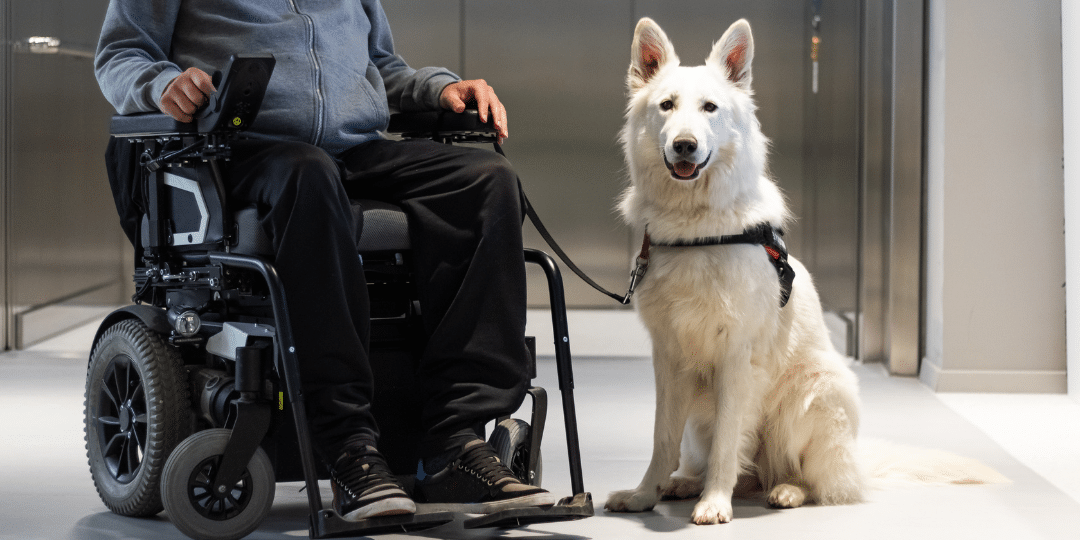
More than one billion people worldwide live with some form of disability. They are innovators, entrepreneurs, students, leaders, creators, and community builders. Yet too often, barriers in education, employment, infrastructure, healthcare, and digital access prevent individuals from fully participating in society. These barriers do not simply limit opportunity… they limit our collective potential.
At the Peace Innovation Initiative, we believe peace is not merely the absence of conflict. Peace is the presence of systems that allow ALL people to thrive. Inclusive societies are more resilient, more innovative, and more economically prosperous because they recognize the value and dignity of every individual. This inclusion is not an act of charity but rather an investment in human potential. It’s also the right thing to do.
When workplaces embrace accessibility, they gain access to talented individuals whose perspectives can improve creativity, problem-solving, and innovation. When schools create inclusive learning environments, be they physical or through curriculum, they unlock opportunities for our future generations to contribute their skills and talents. When communities prioritize accessible infrastructure and technology, they create spaces where everyone can participate fully in civic, social, and economic life.
The benefits extend far beyond individuals with disabilities. Accessibility improvements often create better experiences for everyone, from parents pushing strollers to older adults equally able to navigate public spaces, to workers using adaptive technologies. Inclusion strengthens the social fabric that connects us all. Peacebuilding however requires more than good intentions; it requires intentional design. Whether developing systems of equal opportunity, educational programs, workforce initiatives, healthcare solutions, or public policy, inclusion must be built into the foundation rather than added as an afterthought. When diverse voices are represented in decision-making, societies become better equipped to address complex challenges and create equitable opportunities.
The future of peace depends on our ability to recognize that every person deserves the opportunity to contribute, belong, succeed… and thrive. A truly peaceful society is one where differences are not barriers but strengths, a society that values accessibility, celebrates human dignity, and creates pathways for participation for all.
Inclusion is not separate from peacebuilding, because inclusion is peace in action.