Division to Dialogue: Embedding Peacebuilding in Politics to Cultivate Lasting Cultures of Peace
In an era defined by rapid information exchange and heightened political awareness, the tone and texture of our political conversations matter more than ever. If we hope to cultivate resilient communities and a sustainable global future, peacebuilding can no longer exist on the sidelines… it must be actively woven into the fabric of political life.
Peacebuilding is often misunderstood as passive or idealistic. In reality, it is a dynamic, strategic practice grounded in dialogue, empathy, and problem-solving. When integrated into political spaces, it has the power to transform not only how decisions are made, but how people relate to one another across differences. This is essential in a time when polarization can easily eclipse shared humanity.
Blending peacebuilding into political spheres begins at the local level. Community forums, town halls, and civic discussions can benefit from facilitation approaches that prioritize active listening, mutual respect, and curiosity. Rather than viewing disagreement as a threat, peace-oriented dialogue reframes it as an opportunity for deeper understanding. This shift does not dilute conviction, but rather strengthens it by anchoring perspectives in awareness rather than reaction.
In broader political discourse, the integration of peacebuilding requires intentional language; words shape perception, perception shapes reality. By choosing language that is ever respectful and solutions-focused, leaders and participants alike can lower the emotional temperature of conversations while raising the quality of engagement. This creates space for innovation, compromise, and forward-thinking policy development.
Digital platforms also play an extremely critical role. Social media has become a central arena for political conversation, yet it often amplifies division. Applying peacebuilding principles, verifying information, and engaging constructively, small though they may seem, can help shift online culture from reactive to reflective. These small behavioral changes, multiplied across millions of interactions, can have a profound collective impact.
The need for this integration extends beyond any single nation. Global challenges such as climate change, migration, and economic and energy inequality demand cooperation across borders and ideologies. A culture of peace within political systems fosters the trust and collaboration necessary to address these issues effectively. Without it, even the most well-designed policies risk stagnation.
Ultimately, building cultures of peace is not about eliminating disagreement; it is about transforming how we navigate it. By embedding peacebuilding practices into political conversations and institutions, we create conditions where diverse perspectives can coexist productively. This is not only beneficial… it is essential.
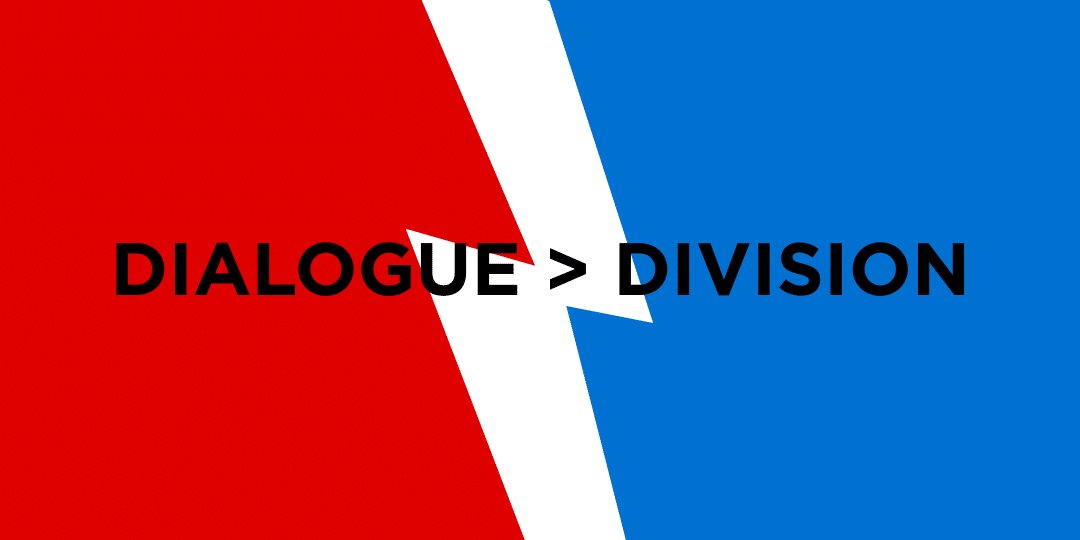
The future of politics does not have to be defined by division. With intentional effort, it can be shaped by dignity, dialogue, and a shared commitment to progress. That is the promise, and the practice, of peacebuilding in action.