
At its Core, Peace is a Collective Achievement.
In today’s interconnected world, conflict rarely exists in a vacuum. Social, economic, cultural, and political forces intertwine, shaping both the causes of tension and the pathways to resolution. This complexity demands collaboration, for no single person, institution, or nation holds all the answers. Instead, meaningful progress emerges when different perspectives, lived experiences, and areas of expertise are brought into conversation.
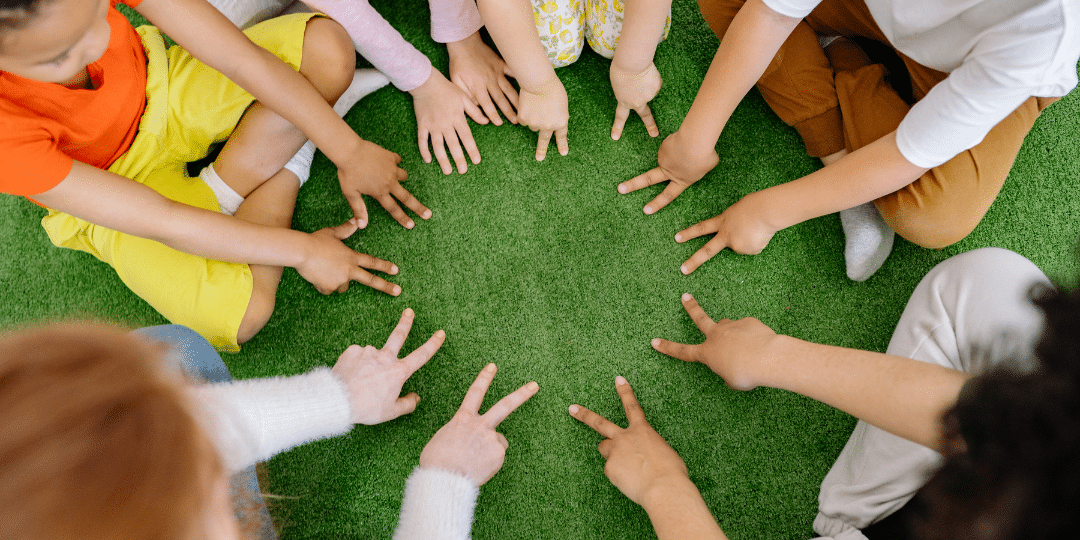
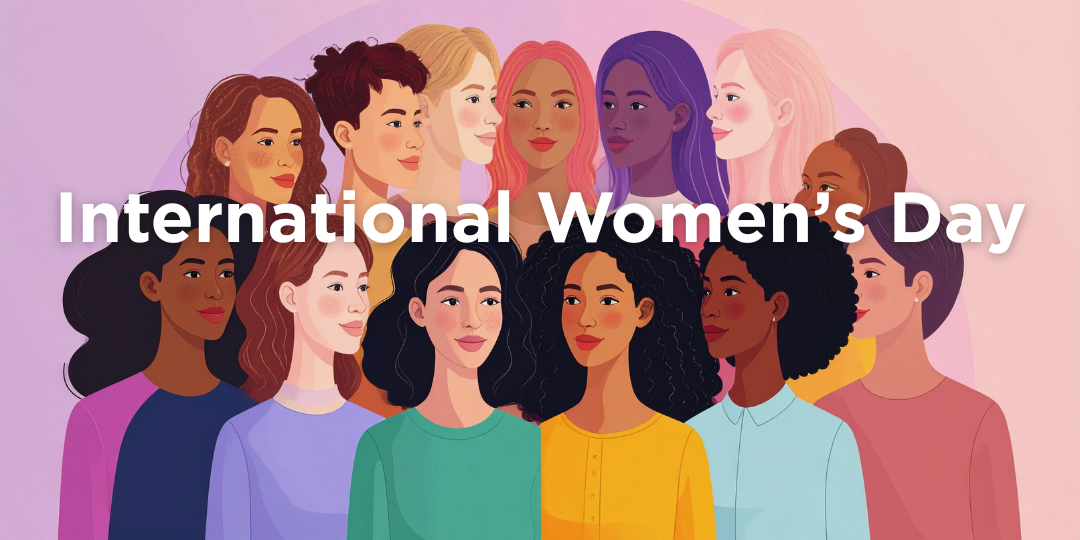
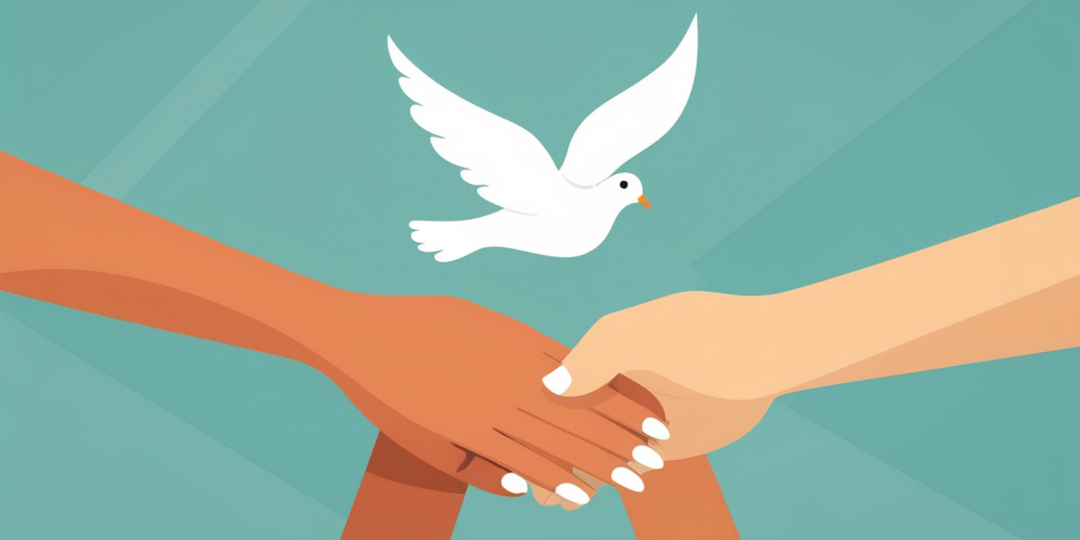
Diversity is not a barrier to peace but rather its foundation. When individuals from different backgrounds engage with one another, they challenge assumptions, expand understanding, and create space for empathy. These interactions humanize ‘the other,’ transforming division into connection. Peace becomes possible when people are willing to listen as much as they speak, and to learn as much as they lead.
Organizations play a vital role in amplifying this collaborative effort. Grassroots groups, nonprofits, educational institutions, and global initiatives each contribute unique tools and insights. When these entities work together, they can address the root causes of conflict more effectively, whether that means tackling inequality, promoting dialogue, or fostering economic opportunity. Collaboration ensures that solutions are not only innovative but also inclusive and sustainable.
However, working together is not always easy. It requires humility, patience, and a willingness to navigate discomfort. True collaboration asks us to move beyond echo chambers and engage with perspectives that may challenge our own. Yet it is precisely in this tension that growth occurs; by embracing complexity rather than avoiding it, we create stronger, more resilient foundations for peace.
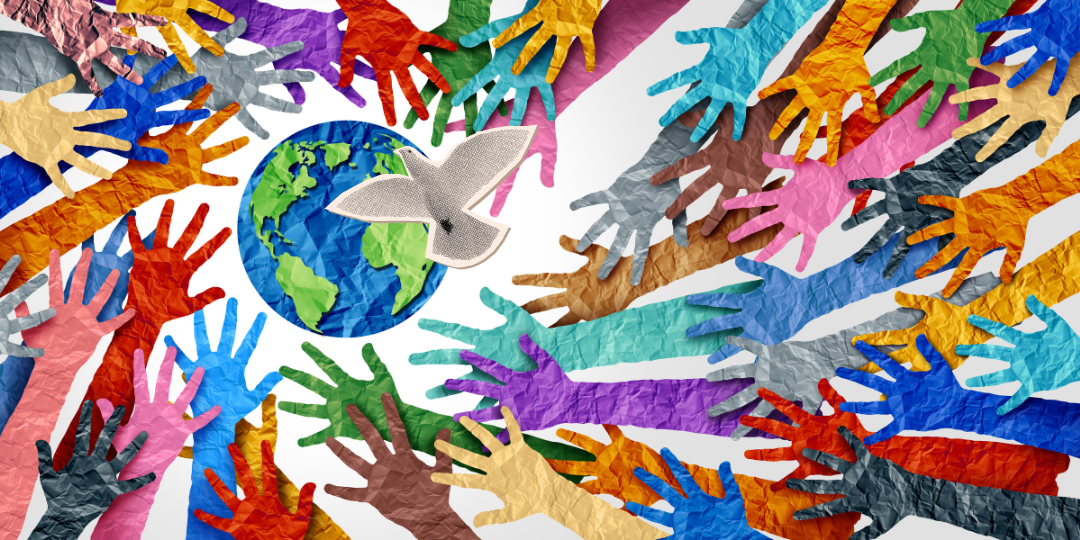
Technology and global connectivity have made collaboration more accessible than ever before. Ideas can cross borders instantly, and partnerships can form across continents. This presents an unprecedented opportunity… to build a global culture of peace driven not by a single narrative, but by a mosaic of voices working in harmony.
For those seeking a clear answer to a complex question, how can we achieve lasting peace, the answer is both simple and profound: we do it together. Peace is not a solo endeavor. It is a shared responsibility that calls for collective action, mutual respect, and unwavering commitment.
The future of peace depends on our ability to unite across differences. When we choose collaboration over division, understanding over assumption, and purpose over pride, we move closer to a world where peace is not just possible, but enduring.