

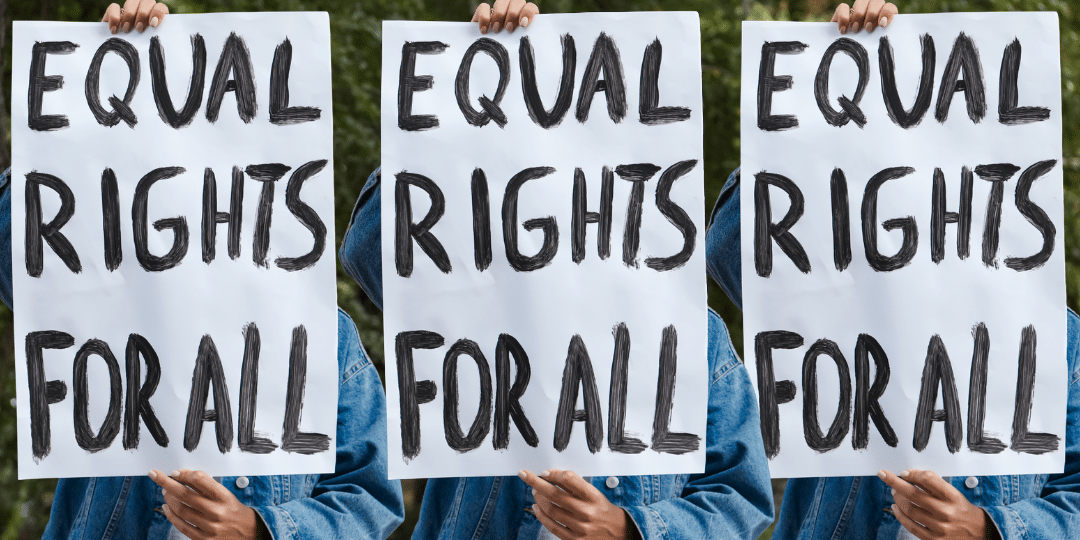
Progress, Setbacks, & the Road Ahead for Gender Equality
Each year, communities around the world pause to recognize the achievements of women and girls while taking stock of where gender equality stands today. The reality is both encouraging and challenging: meaningful progress has been made, but significant barriers remain.
Globally, women and girls have made remarkable strides in education, health, and leadership. Today, girls are more likely to attend and complete school than ever before, and maternal mortality has declined dramatically over the past two decades. Women are also increasingly visible in government, business, and social leadership roles. These advances demonstrate that investments in education, policy reform, and economic opportunities for women can transform societies and strengthen economies.
Recent data highlights these gains. According to global gender equality research, approximately 68.8% of the overall gender gap has now been closed worldwide, reflecting gradual progress in areas such as political participation and workforce inclusion. However, despite these improvements, experts estimate that full gender equality could still take more than a century to achieve if progress continues at the current pace.
While progress exists, the data also reveals troubling setbacks. Women remain underrepresented in political decision-making, holding only about 27% of parliamentary seats globally. Economic inequality persists as well, with women still earning significantly less than men on average and facing barriers to leadership positions in many industries.
In addition, millions of women and girls continue to face structural challenges that limit opportunity. Reports suggest that over 350 million women and girls could still be living in extreme poverty by 2030 if current trends continue. Conflict, climate change, and economic instability often disproportionately impact women, widening existing gaps.
Violence against women also remains a global crisis. Studies estimate that nearly one in three women worldwide experience physical or sexual violence during their lifetime, highlighting the urgent need for stronger protections, accountability, and prevention strategies. Despite these challenges, the path forward is clear. Expanding access to education, closing pay gaps, investing in women-led businesses, and ensuring women have equal representation in leadership are critical steps toward lasting equality.
Achieving true gender equality requires sustained commitment, bold policies, and collective action. When we invest in women and girls, the benefits ripple outward, strengthening families, growing economies, and building a more peaceful and prosperous world for everyone.